Federal Moves Signal Potential Rollback in Disability Accessibility Standards

Delayed Protections, Proposed Rollbacks: What’s at Stake for Disability Access

Recent federal actions signal a potential shift in how accessibility is treated in public policy, with implications for millions of Americans who rely on accessible infrastructure and services.

Two recent developments—one involving a delay in the enforcement of airline passenger protections, and the other proposing changes to federal accessibility standards in construction—prompt important reflections on the direction of civil rights enforcement, the commitment to equity in federal initiatives, and the potential implications for consistent access nationwide.

For individuals with disabilities, these changes could affect whether schools, transportation, research facilities, and public buildings are usable and inclusive. For institutions, they may alter how accessibility is interpreted, funded, and prioritized in federally supported projects.

Two federal agencies are moving forward with regulatory changes that could influence the way accessibility standards are applied in public infrastructure and transportation. These actions—one concerning a postponement of enforcement and the other involving a proposed revision—may affect individuals with disabilities nationwide and raise broader considerations around civil rights, design practices, and the responsibilities of public institutions.

The U.S. Department of Transportation (DOT) has postponed enforcement of the “Wheelchair Rule” until at least August 1, 2025. Finalized in December 2023, the rule requires annual training for airline staff and contractors who assist passengers with disabilities or handle mobility devices. It also defines baseline standards for how assistance must be provided and stipulates that any delay in returning or damage to a mobility device is a direct violation of the Air Carrier Access Act.

Originally scheduled to begin implementation in early 2024, the rule’s enforcement was first delayed and has now been extended to allow for legal and administrative review. Several major airlines have filed lawsuits challenging the DOT’s authority to implement the new requirements.

For air travelers who rely on mobility devices, the delay may mean continued inconsistency in service and limited recourse when equipment is damaged or lost. These incidents can lead to more than temporary inconvenience—travel disruptions can result in missed job obligations, canceled medical treatments, or weeks of logistical difficulties. In some cases, the physical consequences of using unsuitable replacement devices can be long-lasting.

While the DOT delay concerns air travel, another federal agency is considering a broader shift that could influence the accessibility of physical spaces across multiple sectors. The U.S. Department of Energy (DOE) has proposed a rule that would remove explicit accessibility design requirements from its regulations for construction and renovation projects receiving federal funding.

The Department has described the proposal as a technical update intended to streamline regulatory language. However, the revision would eliminate specific references that have long ensured that features such as accessible paths, signage, and maneuverable spaces are built into DOE-supported infrastructure.

This proposal intersects with Section 504 of the Rehabilitation Act of 1973, which prohibits discrimination based on disability in any program or activity receiving federal financial assistance. Section 504 has shaped how federally funded facilities are designed and operated, from university labs and health centers to clean energy demonstration sites and workforce training hubs. Removing explicit accessibility standards could create inconsistencies across agencies and complicate compliance for contractors and institutions.

If adopted, the DOE proposal could have a ripple effect beyond the agency’s direct authority. Without detailed requirements, federally funded projects could vary widely in how (or whether) they incorporate accessible design. This could result in new schools, labs, and workforce facilities being built without features that enable equal use by people with disabilities. It could also place a greater burden on individuals to file complaints or seek legal remedies after the fact, rather than relying on proactive, codified standards during the design and construction phases.

The proposed rule could set a precedent for other federal agencies considering regulatory rollbacks. If one agency successfully removes enforceable accessibility language from its regulations, others may follow suit, potentially weakening uniform expectations for access in federal programs across housing, healthcare, transit, and education.

Although the rule change is administrative, its effects may be felt in day-to-day experiences. Without clear, enforceable standards, accessibility often becomes variable—dependent on interpretation, available resources, or project priorities.

The potential costs of inaccessibility extend beyond individual hardship. When a wheelchair user cannot safely travel for work, or a public innovation lab is built without accessible entry points or workstations, the impact is felt not just by one person but by the broader community. It limits workforce participation, restricts access to public services, and undermines federal investments intended to serve all citizens.

Accessibility is not only a legal requirement—it is a design principle that supports a wider range of users, including people recovering from surgery, older adults, delivery personnel, and those navigating complex environments. Features like step-free entries, clear signage, and adjustable work spaces increase efficiency and safety for everyone, not just those with permanent disabilities.

The DOE’s proposed rule is currently open for public comment. Its future will depend in part on whether it receives a substantial number of well-supported objections that raise legal, operational, or equity concerns. As both the DOT and DOE consider the next steps in their respective processes, these decisions will influence how consistently accessibility is integrated into federally supported services and infrastructure. They also reflect broader questions about how public institutions prioritize equity, accountability, and participation in a rapidly changing built environment.

Individuals, advocacy organizations, and institutions concerned about these potential changes are encouraged to review the proposed rule and submit formal comments. Participating in the public comment process remains one of the most direct ways to influence how accessibility is protected and implemented in future federal policy.

Proposed Department of Energy Rule Could Impact Accessibility Standards for New Construction


The U.S. Department of Energy (DOE) has introduced a proposed rule that could significantly affect accessibility requirements for new construction and alterations in projects it funds. The rule would remove specific mandates that currently ensure accessibility features are incorporated into federally supported buildings. While the Department describes the proposal as an effort to streamline its regulations, disability advocates have raised concerns about the potential implications for inclusive design and civil rights protections.

If adopted without modifications, the rule would carry the force of law, potentially weakening the Department’s accountability for ensuring that its funded projects meet accessibility standards.

Understanding the Legal Context

This proposed rule intersects with Section 504 of the Rehabilitation Act of 1973, the first federal civil rights law to protect individuals with disabilities. Section 504 prohibits discrimination on the basis of disability in any program or activity receiving federal financial assistance.

Among its most visible legacies is the integration of accessible design features—such as ramps, elevators, wide doorways, and tactile signage—into public infrastructure. These features are more than just design elements. They represent access, independence, and participation. For many people with disabilities, they are essential for taking part in education, work, health care, and civic life, which includes activities such as voting, community involvement, and engagement with public services.

What the Proposed Rule Would Change

The DOE’s proposal would remove explicit accessibility standards from its construction and renovation regulations. While other federal statutes—like the Americans with Disabilities Act (ADA)—continue to provide important protections, this rule could create inconsistencies in how different agencies interpret and enforce accessibility requirements.

If put into effect, the proposed regulation would have the force of law and could weaken or confuse existing accessibility requirements for programs funded by the Department of Education, potentially putting important protections at risk.

Why This Matters

While the proposal is framed as a technical update, its potential effects are far-reaching. Concerns raised by disability rights organizations and legal experts include:

  • Reduced clarity in how accessibility is implemented across federal programs;
  • Barriers to enforcement if explicit design requirements are no longer specified;
  • Risk of precedent, where other agencies might follow with similar rollbacks;
  • A possible weakening of Section 504’s influence on inclusive infrastructure design.

Many in the disability community see this proposal as out of step with the intent and spirit of Section 504, which was created to promote inclusion, access, and fair participation for people with disabilities.

The new regulations will take effect unless the DOE receives a large number of significant adverse comments. A “significant adverse comment” is one that clearly expresses opposition to the proposed rule and offers a meaningful rationale—such as legal concerns, practical implications, or alignment with broader civil rights goals.

To be effective, your comment should include:

  • An introduction of who you are
  • Your personal or professional experience with disability and accessibility, including any credentials or relevant background
  • A brief explanation of why accessible design is essential
  • A statement that your comment is “a significant adverse comment” on the regulation

The Disability Rights Education and Defense Fund (DREDF) have created templates to help you prepare your comment:

When your comment is ready, submit it in two places:

  1. Submit your comment here (first site)
  2. Submit your comment here (second site)

For additional support, including step-by-step instructions, you can watch DREDF’s recorded webinar here.

Public comments must be submitted by 11:59 PM EST / 8:59 PM PST on Monday, June 16, 2026, in order to be considered.

Closing Thoughts

The DOE’s proposed rule presents an important moment for public engagement. While regulatory modernization is sometimes necessary, accessibility must remain a core commitment in federal policy.

Participation in the comment process allows individuals and organizations to help shape how laws like Section 504 are interpreted and implemented. By adding your voice, you contribute to the ongoing work of ensuring public infrastructure is designed for all—now and into the future.

Standing Firm: Honoring the Life and Legacy of Denise DiNoto

“Be sure you put your feet in the right place, then stand firm.” – Abraham Lincoln

The quote from Abraham Lincoln resonates deeply when reflecting on the life and work of Denise DiNoto. When I think about effective advocacy—what it looks like in action and what it asks of us—I think of Denise DiNoto.

I came to know Denise through the New York State Department of Health’s Disability and Employment Health program, but our connection quickly grew beyond professional collaboration. Denise was not only a skilled advocate and strategist; she was a generous colleague and a steadfast supporter of others’ growth. Her clarity, compassion, and belief in the power of both systems and individuals to create change left a lasting impression on me—and on so many others whose lives and work she touched.

She had a clear understanding of the importance of effecting change from within established systems, yet she was never reluctant to speak out when it counted. Our mutual interest in writing created a meaningful connection between us. When I first considered launching this blog, Denise offered thoughtful guidance and encouragement that played a key role in moving the idea forward.

At a time when I was still finding my voice, Denise encouraged me to keep writing and reminded me that my message and creative work had value. Her belief in what I had to say made a lasting and deeply personal impact. Her insight and generosity left a lasting impression on me, as they did on so many others whose lives and work she touched. The impact she had on those around her continues to resonate in both personal and professional ways.

What made Denise such an effective advocate was her nuanced understanding of how to create meaningful, lasting change. She believed in the ability of institutions and systems to evolve and improve. With insight and care, she navigated these structures in ways that encouraged broader participation and a more thoughtful response to diverse needs.

In meetings and public forums, she brought a thoughtful blend of facts, personal insight, and quiet determination. She built relationships, remained well-informed, and worked skillfully within established systems to encourage progress. By reminding decision-makers of their responsibilities and offering clear, constructive ideas, she helped shape meaningful and realistic paths forward.

Denise also understood that systems have limits. She knew that progress isn’t always timely or fair when it relies only on institutions. When she reached those limits, she didn’t hesitate to step outside the system and speak out in other ways. Whether through public speaking or engaging directly with the community, she used her voice to highlight the barriers faced by people with disabilities and to advocate for equity, fairness, and real change in clear and powerful ways.

Denise’s effectiveness as an advocate stemmed from her ability to balance two essential approaches: engaging with systems when they offered a path forward, and stepping beyond them when that path became too narrow. Rather than seeing these roles as contradictory, Denise understood them as complementary aspects of thoughtful advocacy.

Her ability to work within systems while also recognizing when to step outside them reflected a steady commitment to dignity, self-determination, and equity. For her, this dual approach reflected a belief that meaningful progress often depends on both working with established structures and knowing when to seek alternatives.

Denise DiNoto’s work and presence left a lasting impact. She demonstrated that the heart of advocacy lies in standing firmly in the right place—with empathy, conviction, and a commitment to possibility. Her legacy will continue to guide and inspire.

K.A. Wiley


Knots That Won’t Hold


By Kerry Ann Wiley

The Space Just Inside the Door

The room held two, yet little passed between.
One stood just inside the doorway—not quite arrived, not yet gone.
The other moved silently, fixing what was never broken.

The movements were not purposeful.
They were only repeated.

There was no greeting and no conversation.
Yet the silence had a shape.

It was not angry.
It was not final.

It was the kind of silence when the unspoken takes hold,
A shift with no name, a truth left untold.
The air did not press—it simply stayed,
Not heavy, not harsh, just quietly laid.

Even waiting bore its own strain.


Instinct Before Intellect

The body registers,
before the mind can explain.

A shift in breath.
A break in rhythm.
Hands reach, then hesitate.

There is a hollow where certainty used to be.
Fingers intertwine, but the hold falters.
Elbows become barricades.

What once felt like home,
became a negotiation of distance.

Touch misfires.
Movement becomes mimicry.

Still, the gestures continue—
not out of connection,
but habit.

Metal strikes metal.
Silence gathers.

It is a ritual,
but one without resolve.


The Weight of a Single Truth

Something is spoken.
It is not loud.
It is not cruel.
It strikes with a clarity that shifts perception.

Perhaps it is a truth.
Perhaps a decision.

It is a line drawn—
not without consequence.

One truth, spoken in the voice of someone
who expected a conversation,
and received a verdict.
The silence that follows
speaks what the words could not.

There is no reply—only the ache
of something recognized too late.

What is carried cannot be shared.
It includes what is chosen,
what is withheld,
and what cracks without falling.

This is not collapse.
It is the slow untying
of something that once held fast.

A pause.
Memory begins where language fails.


What Memory Knows

What follows is not a retelling.
It is a form of holding—
the weight of silence,
sculpted into permanence.

The movement is circular,
echoing the way memory works—
not to change the outcome,
but to understand the shadow it left behind.


When Silence Replaces Shelter

One enters. One remains.
Light flickers. Rain hesitates.
Something arrives—
not words.

There is a hollow where certainty used to be.
Fingers intertwine, but the hold falters.
Elbows become barricades.

Silence gathers.
Metal meets metal.

A ritual, without resolve.

One truth said,
in the voice of someone
who expected a conversation
and got a verdict.

What is carried cannot be shared.
It includes what is chosen,
what is withheld,
and what cracks but does not fall.

Words linger longer than warmth.
Mouths closed like windows
against a storm
that already passed—
or hasn’t yet.


What Lingers After the Storm

This isn’t the first time.
This is grief’s second breath.

Grief, reheated.
Words linger longer than warmth.

What one releases, the other holds.
What one withholds, the other senses—too late.

The knot doesn’t slip free.
It doesn’t tighten.

It simply remains—
drawn loose between what was said and what was not.

Only tension—
quiet, persistent,
unresolved.


The Stillness That Remains

Not every unraveling ends in goodbye.
Some threads stay knotted—
not out of strength,
but because they were never untied.

They hold, even as they fray.

Whatever shifted
has now settled into silence.
It no longer seeks a name—
it only lingers.

What remains
does not speak.
It does not reach.
It does not break.

It stays.


Author’s Note

Knots That Won’t Hold is a quiet meditation on emotional distance—not the kind shaped by conflict, but by silence, hesitation, and the things left unsaid. It traces the slow unraveling of closeness, where presence lingers but connection quietly slips away.

The piece unfolds through memory, gesture, and stillness—where the body often senses what the mind hesitates to name. Much of it lives in the in-between: not quite arrival, not quite departure. Emotional truths aren’t resolved here, but gently revisited. Some knots come loose because they were never meant to hold; others remain, not through force, but through quiet persistence.

At its core, this work lingers in what remains: the weight of silence, the echo of what was nearly spoken, and the stillness that follows when understanding recedes. It offers a soft place to land—for those who’ve lived these silences, and those still learning their language.— K.A. Wiley


Ash Before Flame: What Rises in the Stillness

Some changes are hard to pinpoint. A once-enjoyed activity may quietly fall away without much thought. A familiar place might feel different, even though nothing obvious has changed.

These moments are often quiet, not shaped by a big decision, but by a gradual shift in perspective or feeling. What Rises in the Stillness captures such a moment; a change that happens without being planned or spoken aloud.


What Rises in the Stillness
(a Poem)

By Kerry Ann Wiley

Somewhere—
between the pause
and the reach—
a shift.

Not seen.
Not named.
But felt,
like ash
before flame.

Hands—
they did not meet.
They hovered.
They remembered.

There was no door—
but something opened.

Fire, yes—
but not as destruction.
As a return.
A return
that doesn’t need permission.

Was it a question?

What crossed
didn’t look back.
What stayed
didn’t ask.

Recognizing the Shift Without Defining It

What Rises in Stillness” does not center on a specific event or a clear decision. It lingers in the space just before or just after something has changed. The focus remains on the moment itself, when a shift becomes evident, even without a clear cause.

The poem resists definition; it moves through the ache of transformation, rising from a silence that hovers just beyond awareness. It is felt more than understood, and it settles into the dark—lingers there, unseen but undeniable.

When Something Opens Without a Sign

The theme captures subtle turning points that pass without design, slipping through the moment almost unseen.

The line “There was no door, but something opened” captures how change can arrive without structure or a signal. Although no step is taken and no boundary is visibly crossed, there is a distinct sense of having something shift into a new and unfamiliar place.

The line about fire—not as destruction. As a return.—suggests that not all change is about ending or erasure. Sometimes, it is a return to something once known, now seen with altered eyes, shaped by distance and touched by time.

It is not the same place, even though it carries the same name. Something that was once overlooked now holds meaning. Something that once felt distant has become unexpectedly intimate. The return is not a restoration; it is a quiet transformation. What was once known is no longer being reclaimed—it is being seen again, changed by time, memory, and perspective.

In the closing lines, the words “What crossed didn’t look back” and “What stayed didn’t ask” point to a change that feels finished without needing to be explained. There’s no tension between what moved on and what stayed behind. Nothing lingers—no reaction, no aftermath. There’s just the simple fact that something shifted. Whatever happened has already settled, as if it had always been that way.

Staying With What Is Unspoken

This piece moves differently than expected. It has no clear beginning, no turning point, and no sense of closure at the end. It stays suspended in a moment already altered—quiet, unspoken, complete.

The change has happened, but nothing declares it. Rather than offering answers, the poem opens a space. It stays close to a feeling almost known—something that rises for a moment, then fades before it can be grasped.

Many moments in life are like this. Something shifts, although it’s hard to say when or why. A thought fades. A feeling drifts. A decision takes shape without ever being spoken. The poem reflects that experience: when something deep stirs, yet asks for neither definition nor a rush to action.

It raises subtle and quiet questions. Can something matter even if it is small or nearly invisible? Can change happen without explanation, without a clear moment when everything shifted?

There are hands that hover but never touch. There is a door that was not there, and yet somehow always was. There is a shadow that moves, though nothing casts it. These are not signs that call out or plead to be understood. They suggest that not all change is loud or visible. Some things shift slowly, without notice. Not everything needs to be seen to be real.

Sometimes a change simply settles in. The question becomes this: how much of a life is shaped by the subtle things—the almosts, the not-quites, the small turns that mark a before and after, even in the absence of witness?

The poem insists that the unspoken matters. A hand not touched still carries meaning. A door unseen can still open. Fire may arrive not as destruction, but as return. The piece speaks to the subtle forces that shape experience—the almosts and not-quites that alter direction without announcement.

In staying with what is uncertain, undefined, and unfinished, the poem gives shape to the shifts and turns that leave no mark, yet alter everything they touch.


The Echo of Almost


An open doorway.

Some moments in life are defined not by what happens, but by what does not. They are shaped by choices we leave behind, by words we choose not to say, and by paths we decide not to follow. A door that remains closed—a job we never pursued or an invitation we quietly declined—can leave a deeper echo than one we deliberately shut. The apology we withhold, the truth we bury, and the call we avoid linger not because they ended, but because they never had the chance to begin.

Certain moments stay with us, not because of what was lost, but because of what was never acted on. The Echo of Almost gives voice to that suspended space, to the in-betweens that never found full expression, to the quiet that carries more meaning than movement ever could.

This poem reflects on meaning that once surfaced, trembled, and then dissolved into silence. In that quiet, memory does not vanish — it lingers, it waits.

The Echo of Almost
By Kerry Ann Wiley

The doorway was undecided.
It was not open wide enough to forgive,
and not closed enough to forget.

Dust lingered in the morning,
born of a name never spoken aloud,
and the silence that followed
when too much had been said.

Light moved through shadows,
a thread of the unfinished,
unwilling to let go.

The fence leaned
the way old promises do—
aching,
still holding,
waiting to be asked again
what it already answered.

The steps held the shape
of someone who stayed too long,
or not long enough.

The air leaned
neither forward nor back,
bracing around
what never fully arrived,
almost remembered as connection.

The light stood still
against the porch,
caught in the silence
after a door nearly closes
but does not.

No words crossed the distance.

Only the silence—
the kind that remembers sound
before a name,
in the ache
of the echo
of almost.

Reading the Silence

Rather than move on, this poem settles into the moment just before things become clear: the quiet before things are named. It draws us into the space between decision and indecision, between impulse and restraint. The tension doesn’t rise; it lingers, soft but unshakable, like something waiting to be noticed. The images do not push forward. They remain, holding what could not fully take shape.

The poem opens with the line, ‘The doorway was undecided,’ setting a tone of uncertainty that permeates the entire piece. A doorway usually marks a threshold: movement, choice, transition. But here, it remains in between, neither granting passage nor denying it. That uncertainty sets the tone, one of suspension rather than progression.

The physical details—the leaning fence, the still light, the bracing air—mirror this emotional uncertainty. “The fence leaned the way old promises do” is not merely descriptive; it suggests how intentions, even when faded or forgotten, can remain present. These images are more than metaphors; they are echoes, traces of something that almost took shape but stayed just beyond reach.

What Lingers

The poem’s quiet power lies in its restraint, inviting readers to linger in its stillness and discover their own fleeting moments before they slip away.

The expression “held the shape” transforms emptiness into substance: we envision footsteps left on the floor like shadows, as if absence itself can occupy space. By suggesting someone “stayed too long,” the poem assigns weight to that absence—an echo that lingers. The subsequent reversal, “or not long enough,” dissolves any certainty, leaving us suspended between two unresolved states.

This alternating syntax—statement followed by counterstatement—mirrors the way memories warp and rebound in our minds. Each phrase tugs against the next, and that very tension becomes the poem’s pulse. Effectively, the lines:

  • Evoke a tangible imprint (“held the shape”)
  • Warp time (“too long”)
  • Undermine resolution with sudden absence (“not long enough”)

By withholding closure, the poem invites us to dwell in that uneasy midpoint. We carry the echo of footsteps that may still exist or may have vanished entirely. In that in-between space, memory feels both hauntingly present and dolorously gone.

The passage recasts silence not as emptiness but as a vibrant presence. Instead of a void, it contains the “traces of what almost came into being”—those half-formed thoughts or sounds that never fully emerged. By invoking “sound before a name,” it points to feelings that exist long before anything is put it into words or spoken. In this way, silence carries both the yearning for what might have been, what was never said—and perhaps never is.

What Remains

A subtle, persistent ache sits here like a question unanswered. It lies just beneath the surface, faint as footsteps that never reached the door, and lingers like light held at the threshold—fleeting yet felt.

It lives in the moments we never spoke of, the choices we nearly made, the feelings we came close to naming. And still, somehow, they shape us—quietly, almost imperceptibly—like light shifting in a room, sensed before it is seen.

The Echo of Almost holds that space where certainty never arrived. It honors what hovered just beyond reach: the ache of near beginnings, the quiet after nearly speaking.

What becomes of the moments we never stepped into, yet never truly let go of? There are doors we left unopened, names we never dared to speak aloud, and silences we carried without ever understanding why. These things do not vanish; they linger.

At times, they echo more loudly than the moments we have actually lived. What remains are not just memories, but outlines—faint traces of what could have been. These moments are shaped not by what is revealed or resolved, but by the subtle pause where possibility lingers and recedes. In that suspended space, where intent faltered and words held back, we don’t find emptiness, but form: the contour of a gesture never made, the shape of a truth never spoken.

The Echo of Almost doesn’t fade; it surfaces in pauses we can’t explain, and lingers in our hesitation, shadows our certainty, and haunts us—not with what was, but with what nearly was, and how deeply it remains within us.


The Space Between School and Home

Last Friday, as most families prepared for the weekend, the White House released its proposed education budget. The proposal includes a recommendation that could alter the structure of after-school and summer learning programs nationwide.

The proposal calls for the elimination of dedicated federal funding for the 21st Century Community Learning Centers, the only national program designed specifically to support inclusive learning opportunities outside regular school hours.

These programs serve more than 1.4 million children and teens—youth with and without disabilities, from cities, suburbs, and rural communities alike. They provide a safe, structured space where learning continues, creativity is encouraged, and every child is welcomed for who they are.

Under the proposed budget, 21st Century Community Learning Centers would be folded into a $2 billion block grant with 17 other programs, resulting in a nearly 70 percent reduction in funding. While the budget frames this as a way to provide states more flexibility, it eliminates the guarantee that after-school and summer programs will be maintained. For many communities, this would translate into fewer options, shorter hours, and in some cases, programs closing their doors entirely.

After-school programs take place during a time of day that often receives little attention: the hours between the end of school and the return home. These hours are not just a pause in the day; they are a vital window of growth, exploration, and support. During this time, young people are still absorbing, still questioning, and still in need of safe, engaging spaces.

These programs meet that need by offering consistency and care at a time when many families are still at work and children might otherwise be alone. They provide far more than supervision. They offer hands-on learning, opportunities for social connection, nutritious meals, mentorship, and creative expression.

Crucially, they are built to support all youth, including those with disabilities. Many are intentionally inclusive, with trained staff, adapted materials, and accessible environments that ensure every child can participate fully and meaningfully.

For youth with disabilities, this inclusion is not just a benefit—it is essential. Many after-school programs offer trained staff, adapted materials, and physical spaces that are accessible. They create environments where participation is expected and supported. For youth without disabilities, these settings also offer something powerful: a model of shared learning, community, and equity in action.

If dedicated funding disappears, the consequences will be both immediate and long-term. Programs may have to reduce hours, eliminate transportation, or close entirely. Inclusive supports—like adaptive technology, aides, or sensory-friendly spaces—may no longer be affordable.

Staff shortages could become more pronounced, leading to lower program quality and fewer enrollment slots. Families who rely on these programs, especially those with limited income or complex care-giving needs, may be left with no safe, structured alternative.

Communities already facing systemic inequities would likely bear the brunt of the loss. In rural areas, where services are already limited, a single program closing could mean a child loses access not just to learning, but to social interaction and meals. In urban neighborhoods, after-school hours are often when safety becomes a concern. Programs help fill that gap. Without them, risk increases.

Over time, the educational effects compound. Research shows that high-quality after-school and summer programs help improve school attendance, boost academic outcomes, and support social-emotional growth (After-school Alliance, 2024). When these programs vanish, the gaps grow—particularly for students who are already underrepresented, under-served, or overlooked during the regular school day.

Still, this proposal is not yet law. Congress will now take up the budget process, weighing priorities and hearing from communities across the country. There is time to pause, to consider what these programs offer, and to reflect on the kind of infrastructure we want to preserve.

These are not just programs. They are part of a broader commitment to inclusion, access, and possibility. They reflect a belief that learning does not end when the school day does—and that every child, in every zip code, deserves a space to be safe, engaged, and seen.

The proposed elimination of dedicated funding for the 21st Century Community Learning Centers is not simply a fiscal adjustment. It carries significant implications for children, families, and communities nationwide. These programs go beyond providing after-school care.

These programs provide meaningful academic enrichment, promote inclusive participation, and offer consistent, supportive environments that extend learning beyond the classroom. Without dedicated funding, access to these vital resources may be reduced or lost altogether.

The proposed budget signals a critical turning point. The outcomes of this process will have lasting effects on the availability and quality of opportunities for students across the country. If these programs are reduced or eliminated, restoring them would be challenging, and their absence would leave a noticeable gap in communities that have come to rely on them for stability and support. In this moment of decision, it is worth considering what kind of educational support system best reflects shared priorities and long-term goals for all students.

As Congress begins to consider the proposal, this is an opportunity to reflect on the broader role these programs play. Beyond providing essential services, they reflect a commitment to inclusion, to opening doors for all children, and to creating spaces where every young person can feel supported, valued, and engaged.

Preserving them affirms the idea that learning extends beyond the classroom and that all students—regardless of background or ability—deserve the chance to develop, connect, and feel a genuine sense of belonging in supportive, meaningful settings. In thinking about the future of these programs, it is worth asking: what kind of learning environments truly help every child feel that they belong?


Reference
Afterschool Alliance. (2024). Afterschool works for America. https://afterschoolworksforamerica.org/

Balancing Care and Cost: What Medicaid Means for Mental Health

As Congress works through this year’s federal budget, one topic is drawing more attention: Medicaid. While it might not always make the headlines, decisions about how this program is funded could have a lasting impact on how people across the country access mental health and substance use services.

Medicaid plays a major role in the nation’s behavioral health system. It’s the single largest payer for mental health and substance use disorder care in the United States. More than 44 million people use Medicaid to get the support they need, including over one in four adults living with serious mental illness and one in three adults with an opioid use disorder (Center on Budget and Policy Priorities [CBPP], 2025).

For children, the numbers are even higher. Medicaid and the Children’s Health Insurance Program (CHIP) cover 54 percent of all children in the country, and nearly three out of four children with mental health conditions rely on these programs to receive care.

This support reaches into all corners of the system. Medicaid helps fund community clinics, outpatient programs, medication, inpatient care, and mental health services in schools. In fact, more than 70 percent of school-based health centers depend on Medicaid funding. Almost half of school-age children who get mental health care do so at school, and many of them are covered by Medicaid (CBPP, 2025).

Right now, lawmakers are considering whether to change how Medicaid is funded. Some of the ideas being discussed include shifting to block grants or setting per-person spending caps. These changes would set annual limits on how much the federal government contributes to state Medicaid programs. Supporters say this approach could make spending more predictable and give states more flexibility to tailor their programs.

Others worry that, over time, this might lead to fewer resources, especially during tough economic times or health emergencies, when demand is high and costs often rise. There’s some precedent for concern. In earlier budget crunches, several states had to scale back behavioral health services.

This meant fewer psychiatric hospital beds, reduced outpatient services, and cuts to school-based programs. That said, not every state responded the same way. Some were able to create targeted programs or maintain access by adapting their resources creatively.

What we do know is that the need for mental health services remains strong. About one in five U.S. adults lives with a mental illness. Suicide is now the second leading cause of death for children ages 10 to 14. In 2021, nearly 40 percent of adults reported experiencing anxiety or depression, and those levels have stayed high in the years since the COVID-19 pandemic began (CBPP, 2025). These trends suggest that the demand for care is unlikely to decrease.

In states that expanded Medicaid under the Affordable Care Act, coverage improved significantly for people with behavioral health needs. In fact, the uninsured rate among this group dropped by almost half. Medicaid also funds mobile crisis teams, peer support specialists, and other community-based services that are often more effective and less expensive than hospital or emergency care (CBPP, 2025).

As the debate continues, it brings up some important questions. How do we balance budget goals with the realities of public health? What role should the federal government play in making sure people have access to care? And how can we plan for future needs when both costs and demand are so unpredictable?

There aren’t easy answers to any of these questions. What is clear is that Medicaid plays a central role in helping people access mental health and substance use care. Any changes to the program are likely to have real effects on the ground, particularly for people who are already navigating complex or ongoing challenges.

In moments like these, staying informed matters. If mental health is an issue that touches your life, your work, or your community, this is a time to pay closer attention, ask thoughtful questions, and follow how this conversation unfolds. Even quiet policy shifts can ripple widely—and being aware is often the first step toward meaningful engagement.

Two actions can help make a difference. One is to spend a few minutes learning how Medicaid works in your state—whether through your state’s health department website or a trusted local resource—just enough to understand who it helps and how it connects to care in your community.

Another is to reach out, whether by writing a note to a local policymaker or checking in with a community organization you trust, to ask how Medicaid policy is shaping care in your area.

Even as other issues take the spotlight, the conversation about Medicaid continues—with potential far-reaching impacts. Behind each decision are everyday moments—children learning, families managing, communities doing their best with what they have. Paying attention to how care is supported, and to the people it reaches, is a small but meaningful way to stay connected. Sometimes, awareness itself is a kind of care.


Reference
Center on Budget and Policy Priorities. (2025, May). On the chopping block: How Medicaid cuts will impact mental health. https://www.cbpp.org/research/health/on-the-chopping-block-how-medicaid-cuts-will-impact-mental-health


One More Step


“Our greatest weakness lies in giving up. The most certain way to succeed is always to try just one more time.”
Thomas Edison

At first glance, these words appear reassuring. However, a more careful examination reveals a deeper truth: they do not guarantee success, but rather recognize the reality of struggle.

Trying again doesn’t always come with boldness or resolve. At times, it arrives quietly, without confidence, and far from certain. It may feel hesitant, even exposed, taking shape in solitary moments where effort continues in the shadow of doubt, and where no clear outcome is promised. Yet, there is weight in even the most faltering attempt. Its value lies not in the assurance of success, but in the quiet insistence that the effort itself holds meaning.

Living with Detours

Living with cerebral palsy or any disability rarely means walking a straight path. Progress winds through switchbacks and detours, over terrain that shifts without warning. Switchbacks, the zigzagging paths used to climb steep ground, symbolize how forward movement often requires turning back, changing direction, and finding new ways up when the way ahead isn’t clear.

Some days, even the simplest task can feel like a summit. On those days, trying again isn’t about chasing success. It’s about choosing to move forward, even without knowing where the path leads.

Edison’s words resonate not because they ensure triumph, but because they honor the reality of the struggle. They reflect the truth that success is often less about brilliance and more about persistence.

The Weight and Worth of Trying

Trying again doesn’t always feel meaningful. It can be tedious. It can be frustrating. It often demands effort without any promise of change. It means confronting the same barriers—and choosing to persist anyway. It means refusing to let failure define the ending.

Participation, inclusion, and advocacy demand more than hope. They require a sustained, often invisible commitment. They ask us to show up repeatedly, even when the way forward is uncertain. They call for the determination to develop and share a voice—especially in spaces where that voice has long been overlooked.

This work is rarely about individual recognition. It is about pursuing outcomes that serve entire communities. Even when progress is slow, and acknowledgment is rare, the act of continuing holds its own quiet power. That steady, often unseen effort carries intrinsic worth. It communicates something more enduring than praise: it says we matter, and so does the work.

Creating Lasting Connections

We often speak of building bridges—between people, ideas, and lived experiences. Every choice to connect, to listen, and to include strengthens those bridges. Every decision to try again reinforces the belief that change is not only possible but necessary.

These small, sustained efforts are more than personal milestones. They push back against apathy. They quietly resist indifference. Whether it’s advocating for accessibility, challenging outdated perceptions, or simply making it through a hard day, it is the belief behind the effort that fuels change.

The Power in Persistence

Endurance begins where certainty ends. It continues without reward and without any promise of success. Persistence advances through the unknown—silent, steady, and often unseen. Its truth is simple: the path was never abandoned.

In the most uncertain moments of the journey, Edison’s words do not insist. They arrive as a quiet reminder—to try again, to hold on, to keep going. They whisper that effort still matters, even when no one sees it. Each hesitant step becomes part of something larger, shaped silently through struggle and resolve.

These moments of trying again are more than personal victories. They become acts of connection, quiet resistance, and unwavering belief. Each one forms a quiet revolution. This revolution is not driven by spectacle, but by the steady, deliberate choice to keep going and to shape a new way forward. Even when the way is unclear, one more step still matters.

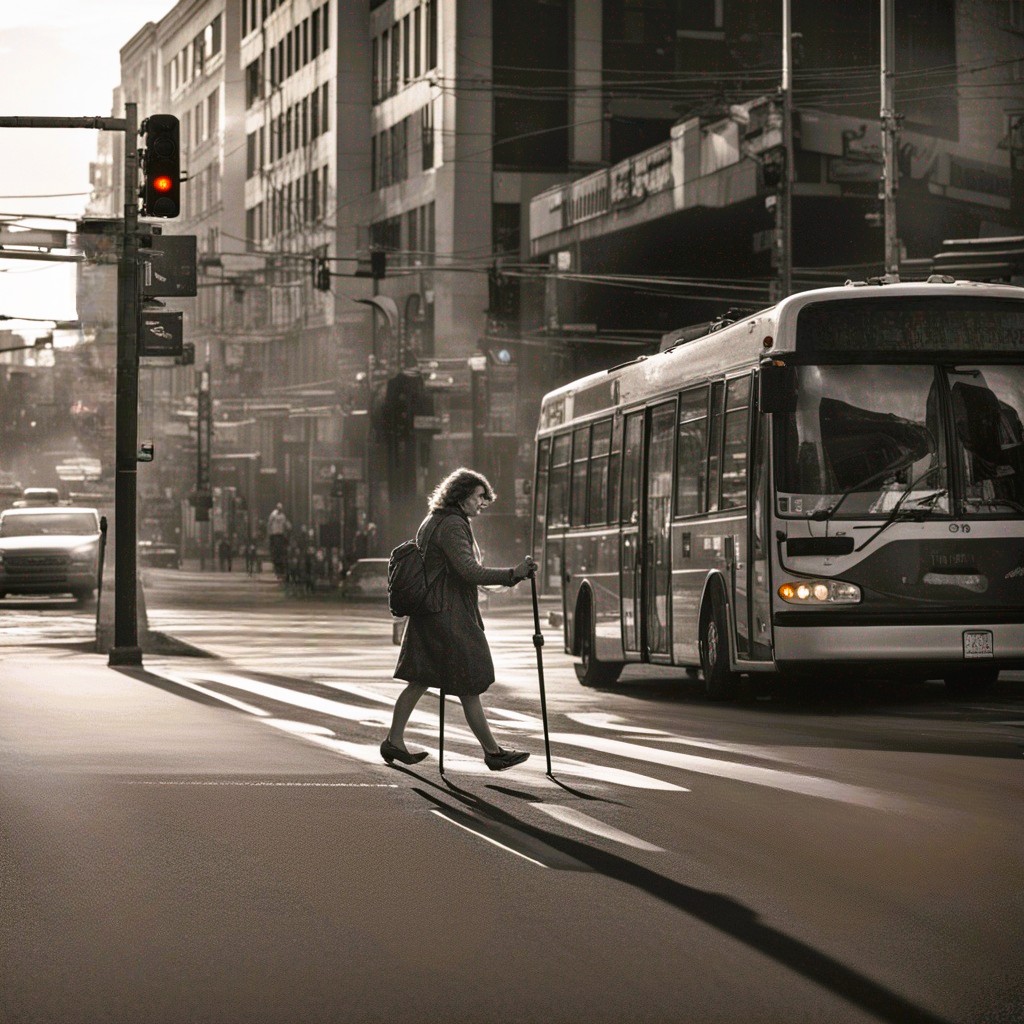
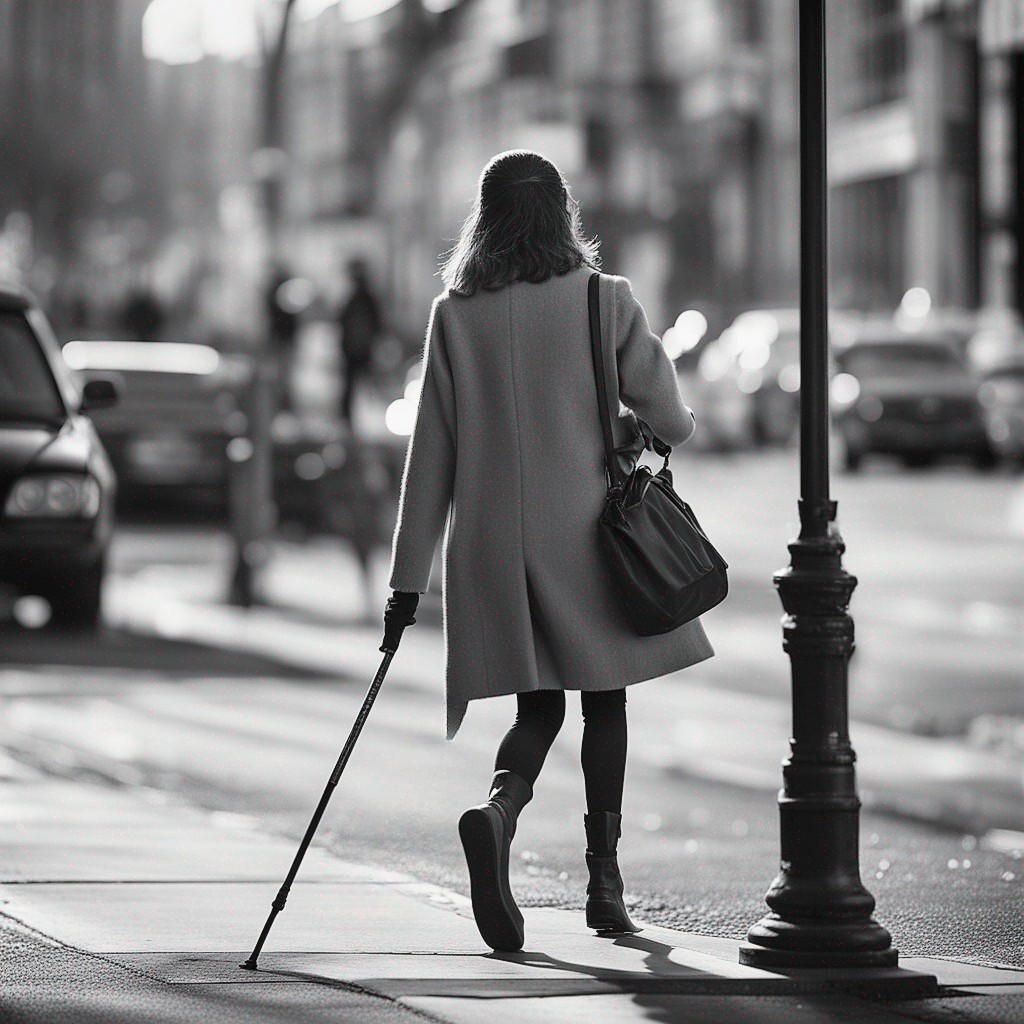
Keep walking. The path is made by it.


Skimming Light


It is late summer, the kind of evening when heat clings to wood and skin, even after the sun has slipped behind the trees. A dock stretches out over the water, quiet except for the occasional creak beneath bare feet. The lake lies still, almost mirror-like, its surface holding its breath between day and night.

A child stands at the edge, holding a stone. It’s too smooth to skip, but that hardly matters. The stone is still worth throwing. When it hits the water, the splash touches the quiet—not loud, just certain. Laughter follows, thin and sharp. It doesn’t just fill the air. It shifts something.

What follows is not just a poem, but a moment re-entered. A stillness remembered and re-seen. A world suspended between day and night, silence and sound, childhood and everything after.


Skimming Light

By Kerry Ann Wiley

The Dock radiated the day’s warmth—
still pulsing with heat beneath bare feet.
Long after the sun has gone.
Boards hum low.
Weightless footsteps leave no mark.

Water mirrors sky—
fractured, silver-edged.
Stillness, not silence.
Not quite memory.
Not quite now.

A stone, lifted—
small hand, tight grip.
Too round. Too smooth.
Still worth the throw.

Ripple breaks.
Then laughter,
thin and sudden,
carrying more future than sound.

It lingered—
not long,
just long enough to be real.

No one asks the question.
The question is always there.

A breath.
Then:

Did anything go missing,
or did it arrive
in pieces?

Another stone arcs.
This one skips—
once,
then again,
then under.

No need to count.
The splash answers everything.
Even what wasn’t asked.

Light holds a little longer.
Long enough.

No name for this.
Not peace.


Skimming Light” rests in a quiet, familiar moment: a lake, a dock warmed by sunlight, a child holding a stone.

Nothing moves forward in the usual sense. The poem doesn’t press for emotion or push a story. Instead, it invites attention—to the small tensions in the body, to the silence that surrounds them, to the feeling that something just out of reach is waiting.

The images in the poem do more than describe a place—they hold feeling. The dock is warm, not from the present sun, but from the memory of it. Footsteps pass without a sound, not because the path is empty, but because no one wants to disturb what has been left behind.

The water, mirroring a fractured sky, feels held in suspension. Nothing moves, yet something shifts quietly. The moment ends, but it does not leave; it lingers. When the child throws the stone, it isn’t about the stone. It is about what it stirs up.

The splash is more than noise. It is a mark in time. It breaks the surface and reveals something that had been hiding just beneath. Then comes the laughter: sudden, thin, and carrying more than sound. It arrives without reason, and although it fades quickly, it leaves behind the warmth of having been there at all.

The poem asks quietly, “Did anything go missing, or did it arrive in pieces?” It is a feeling to be held. It points to how people carry change—silently, sometimes unknowingly—until something small reveals it.

By the time the poem reaches its final lines, the light is nearly gone. It holds just a little longer, as if offering time to absorb what has happened. In the stillness that follows, nothing appears to have changed, yet everything feels subtly different.

The splash subsides, and the laughter fades. Light lingers briefly, then slips away. Something has passed through. Time moves on, indifferent, but the moment remains. It was never meant to last—only to be lived.