

The U.S. Department of Education has announced changes that will shift some special education and civil rights responsibilities to other federal agencies. Federal officials say the legal protections available to students with disabilities will remain unchanged, but the agencies responsible for administering some of those programs and investigating certain complaints will not.
Under newly signed interagency agreements, many administrative functions related to special education will move to the Department of Health and Human Services (HHS), while some civil rights investigation and enforcement activities will shift to the Department of Justice.
The changes are particularly significant because they involve programs governed by the Individuals with Disabilities Education Act, known as IDEA. The federal law is intended to ensure that eligible students with disabilities have access to a free and appropriate public education. IDEA serves millions of students across the country and provides early intervention services for infants and toddlers with developmental delays and disabilities.
The announcement has drawn significant attention because IDEA affects millions of students with disabilities and their families. Much of the discussion has focused on how responsibilities will be divided among federal agencies and how the transition will affect the administration and oversight of special education programs.
Under the agreements, HHS is expected to oversee the administration of IDEA grants, review whether states are complying with federal requirements, monitor the implementation of special education programs, investigate and address compliance issues, and assess state performance each year.
The Department of Education’s Office of Special Education and Rehabilitative Services (OSERS) will continue to develop policy, provide technical assistance and guidance to states and school districts, and conduct outreach to families, educators, and advocacy groups.
Federal officials say the changes are intended to improve coordination among agencies that serve people with disabilities and simplify the administration of related programs. They point to programs such as Head Start, which already works closely with school districts and serves children with disabilities. Bringing related responsibilities together, they say, could improve coordination among programs serving many of the same families.
Supporters also argue that consolidating related responsibilities will likely reduce administrative barriers and make it easier for families to navigate services.
Others have raised concerns about moving responsibilities away from the Department of Education. Some disability rights advocates and educators believe special education programs are best administered within a single agency focused on education, while supporters of the changes believe the new arrangement could improve coordination among federal programs serving people with disabilities.
Students with disabilities are also protected under two federal laws. Section 504 of the Rehabilitation Act of 1973 prohibits disability-based discrimination and requires schools to provide accommodations and supports that enable students with disabilities to participate in educational programs and activities. The Americans with Disabilities Act (ADA) provides broader civil rights protections for individuals with disabilities in schools and other public settings.
The reorganization extends beyond special education administration and also affects federal civil rights enforcement.
Under separate agreements, the Department of Justice will assume responsibility for certain complaint investigations and resolution processes previously handled by the Department of Education’s Office for Civil Rights. These include complaints involving alleged violations of federal civil rights laws in schools. Although the Department of Education will retain its statutory authority over these functions, some investigative and enforcement responsibilities will be carried out by Department of Justice personnel.
Supporters note that the Department of Justice already enforces many federal civil rights laws and has extensive experience handling discrimination complaints. Critics argue that education-related civil rights matters are best addressed within the Department of Education because of its specialized expertise in schools and educational programs.
For schools and families, the immediate effects remain uncertain. While the Department of Education has said services will continue and that existing funding and legal requirements remain in place, questions remain about how the changes will affect the administration and oversight of these programs over time.
Schools continue to be responsible for meeting the requirements of IDEA, Section 504, and the Americans with Disabilities Act, including providing eligible students with required services and accommodations.
The reorganization is intended to improve coordination among agencies serving individuals with disabilities while maintaining existing services, funding, and legal protections.
Supporters contend that bringing related responsibilities under a more unified structure could enhance collaboration among federal programs that often support the same children and families. Critics, however, argue that special education and school-based civil rights enforcement are best administered within the Department of Education, citing its specialized expertise in educational policy, school systems, and student support services.
As responsibilities shift among agencies, educators, advocates, and families will be looking for answers to practical questions: How will the agencies coordinate their efforts? How will oversight and enforcement responsibilities be carried out under the new structure? And what effect, if any, will the changes have on the services and protections students receive?
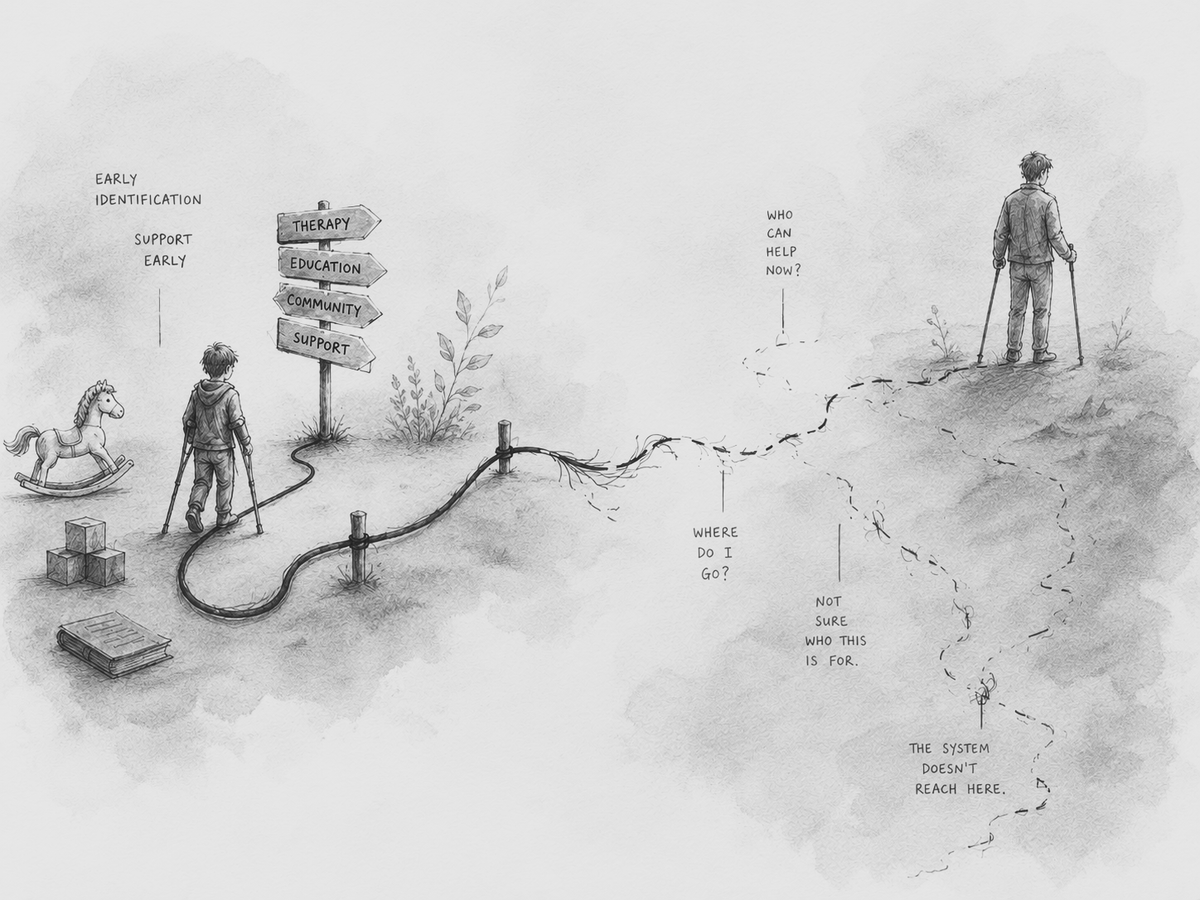
For parents, educators, and advocates, these questions extend beyond government agencies and administrative oversight. The answers are found in classrooms, early intervention programs, and, most importantly, in the lived experiences of students and their families.
As the transition moves forward, many will be watching not only how responsibilities are reassigned, but how effectively the system continues to serve the children it was created to support.


Join the conversation. Your thoughts and experiences are welcome.