
Wiley’s Walk
Join the journey. Walk the path.
Writing by Kerry Ann Wiley about disability, adaptation, participation, and the difference between access and inclusion.
New on Wiley’s Walk
-

The Silent Architecture of Exclusion: How Design and Norms Marginalize Disability
Imagine stepping into a room where something feels slightly off—the arrangement of chairs, the narrow pathways, or doorways that seem too tight. There is a subtle sense that the space wasn’t designed with everyone in mind. For many individuals with disabilities, this…
No comments on The Silent Architecture of Exclusion: How Design and Norms Marginalize Disability -
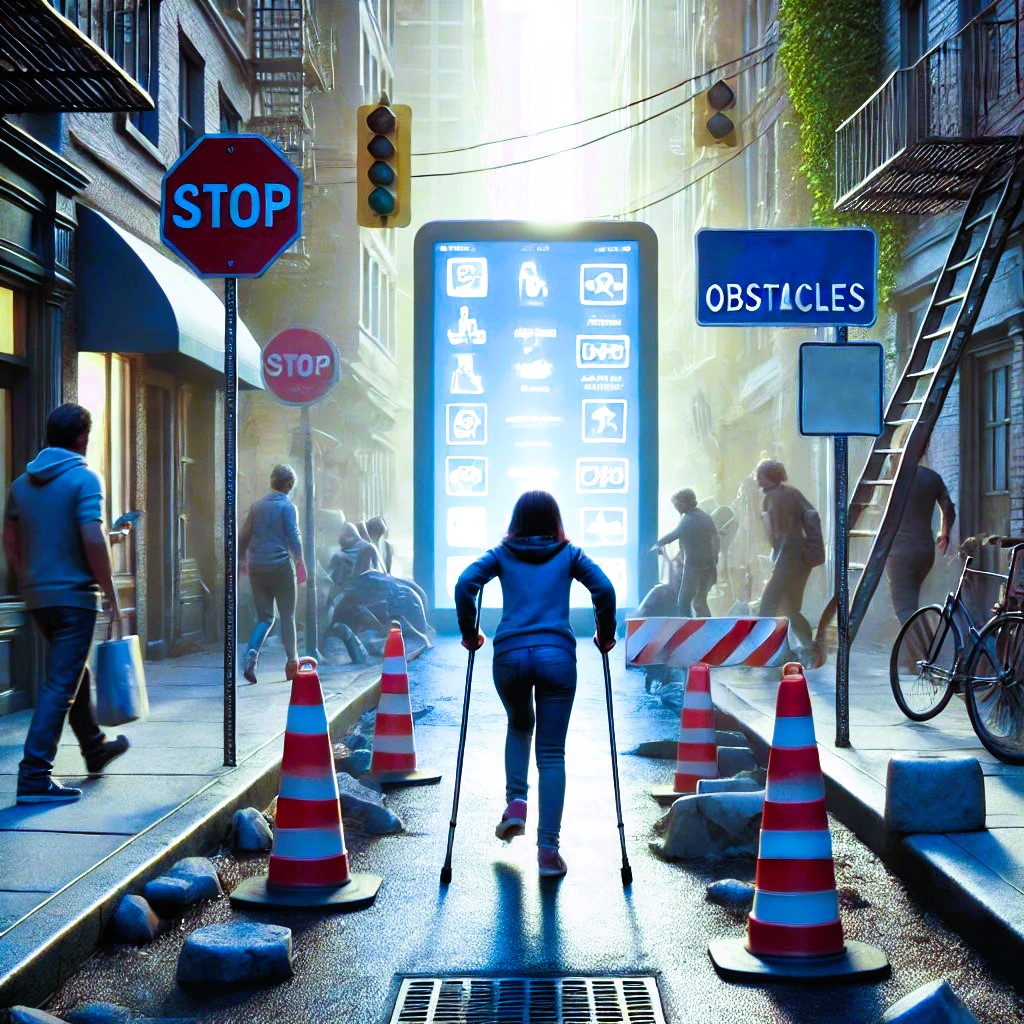
Redefining Barriers: Access, Ability, and the Impact of Inclusive Design
Disability takes countless forms and affects millions of people worldwide. For Quinn, a young woman with cerebral palsy (CP), each day brings its own set of challenges. Her experience illustrates just one way in which disability can shape daily life, both in…
-
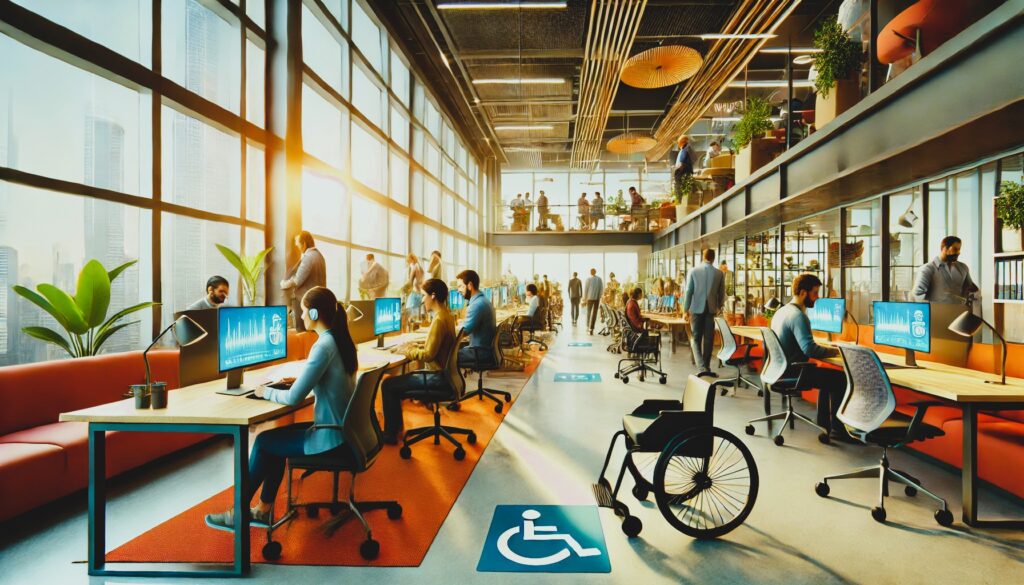
From Awareness to Action: Rethinking Inclusive Workplaces for Lasting Impact
Conversations about inclusion, especially in the workplace during events like National Disability Employment Awareness Month (NDEAM), offer important foundations for meaningful change. However, to create a lasting impact, these discussions must extend beyond the limited time frames of NDEAM. True progress requires…
-
The Pros and Cons of NDEAM: Moving Toward Lasting Inclusion
National Disability Employment Awareness Month (NDEAM) is more than just a date on the calendar; it is an opportunity to rethink how workplaces can truly welcome and support everyone. Every October, NDEAM encourages organizations, employees, and communities to reflect on the barriers…
-

Breaking Down Barriers: Rethinking Disability and Accessibility
Accessibility often brings to mind visible features like ramps, elevators, and reserved parking spaces, but these are just a small part of the larger picture. True accessibility goes beyond the physical, addressing both visible and invisible barriers that affect how people navigate…
-

Invisible Barriers: Redefining Accessibility for People with Disabilities
When accessibility in public spaces is considered, features like ramps, elevators, and wider doorways often come to mind. While these modifications are crucial, they represent only a portion of the broader challenges encountered by individuals like Leena, who live with chronic pain,…
-

Clicking Into Inclusion: How to Break Digital Barriers
As digital innovation accelerates and more aspects of life move online—whether for work, education, or social interaction—it raises an essential question: who is being left behind? The world is becoming increasingly digital, but not everyone has equal access to these spaces. While…
-

Redefining Perspective: Disability, Empathy, and the Transformative Power of Design
Imagine a city where every public space is accessible—where ramps and wide paths are common, tactile and audible signals guide street crossings, and the idea of “disability” starts to fade away. In environments designed with inclusion in mind, the distinction between ability…
-

Eyes That See: A Story of Disability, Perception, and Empathy
Quinn had long since given up trying to blend in. The walking poles she relied on were as familiar to her as her morning coffee, yet every step seemed to pull the room’s attention her way. She could feel their stares—eyes tugged…
-

From Adaptation to Innovation: How Accessibility Enhances Usability for All
Many of the conveniences we rely on today—such as voice-activated assistants and curb cuts—stem from the insights and experiences of people with disabilities. These innovations are more than just solutions to challenges; they demonstrate the power of turning obstacles into opportunities through…